Authentic Emirati Culture & Heritage
Old Dubai, encompassing the historic districts of Bur Dubai and Deira, offers a fascinating glimpse into the city's past before the skyscrapers and modern marvels. This is where Dubai's story began—as a modest fishing and pearl-diving village along Dubai Creek, the natural seawater inlet that divides the city.
The area preserves Dubai's rich heritage through restored wind-tower houses, traditional souks, museums, and cultural sites. Walking through the narrow lanes of Al Fahidi Historical Neighborhood or bargaining in the Gold Souk provides an authentic experience of Emirati culture and Arab trading traditions that date back centuries.
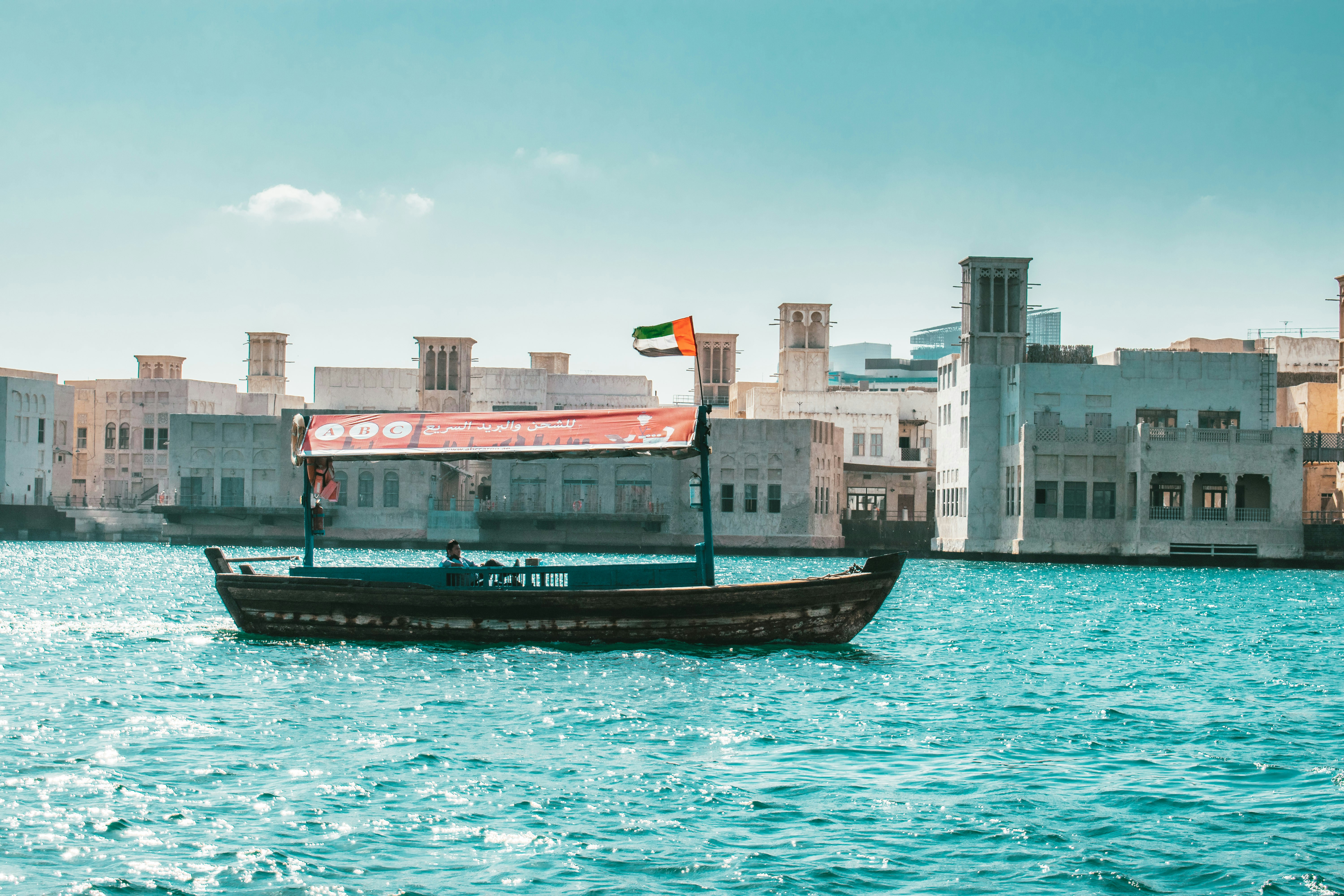
Old Dubai stands in stark contrast to the gleaming towers of modern Dubai, offering visitors a chance to understand the emirate's humble beginnings and rapid transformation. It's a living museum where traditional dhows still ferry goods across the creek, and the aroma of spices fills the air just as it did generations ago.
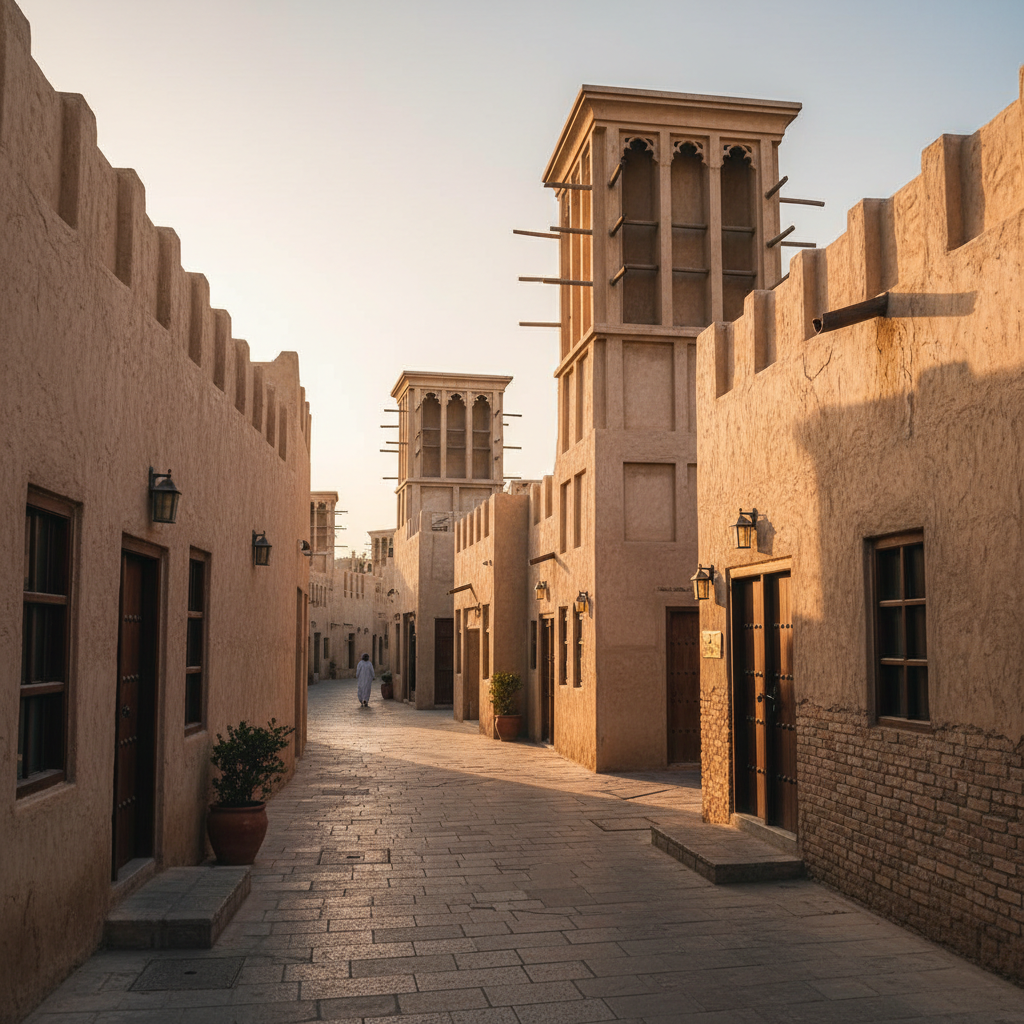
Wander through this beautifully preserved heritage area featuring traditional Emirati architecture with distinctive wind towers (barjeel). The narrow lanes are lined with art galleries, museums, cafes, and cultural centers housed in restored buildings. Visit the Sheikh Mohammed Centre for Cultural Understanding to learn about Emirati customs, or explore the Coffee Museum and Arabian Tea House for authentic experiences.
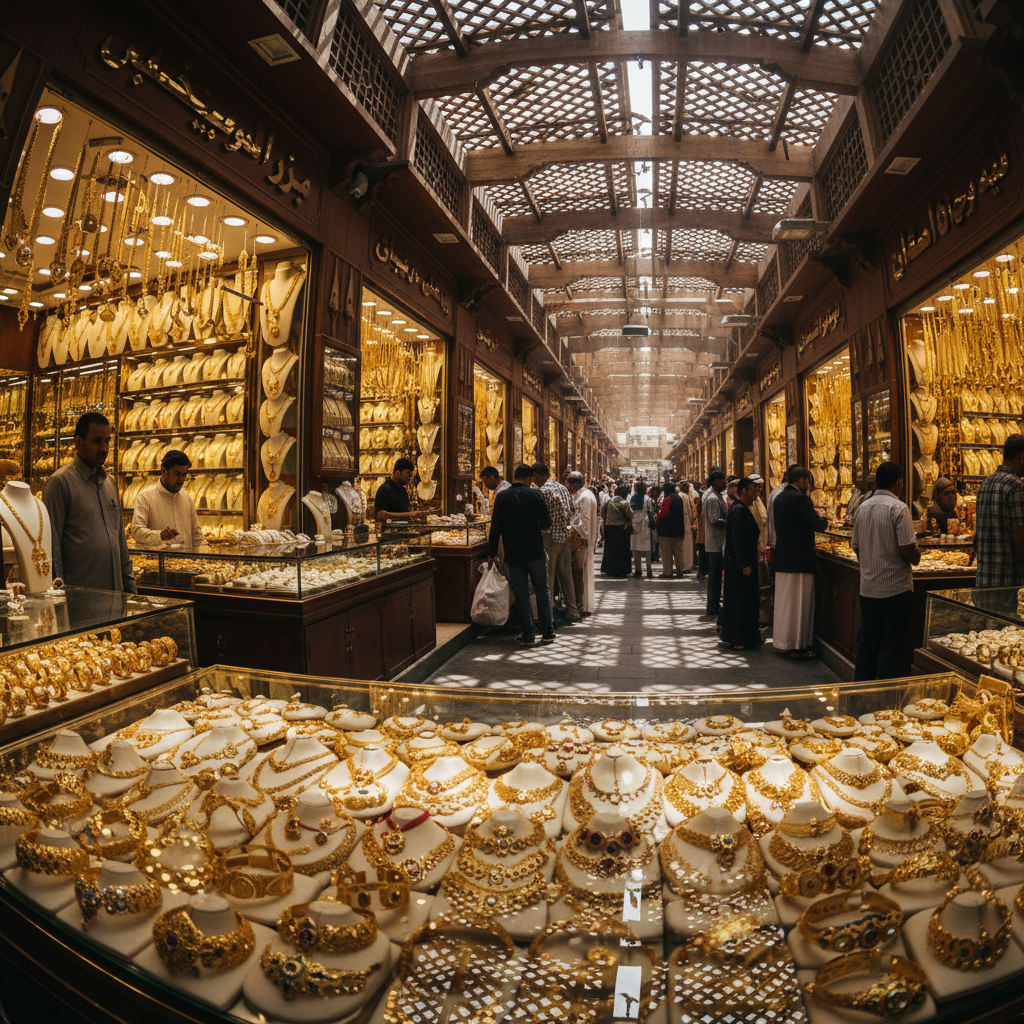
The Gold Souk in Deira is one of the world's largest gold markets, with over 300 retailers displaying an dazzling array of jewelry. Nearby, the Spice Souk offers aromatic spices, dried fruits, nuts, and traditional remedies in a covered market that engages all your senses. Bargaining is expected and part of the cultural experience. These souks represent Dubai's trading heritage and remain vibrant commercial centers.
Experience traditional water transport by taking an abra (wooden water taxi) across Dubai Creek. For just AED 1, you can cross between Bur Dubai and Deira, enjoying views of traditional dhows, historic buildings, and the bustling waterfront. Longer private abra tours are available for a more leisurely cruise along the creek, offering unique perspectives of both old and new Dubai.
Located in Al Fahidi Fort (built in 1787), Dubai Museum chronicles the emirate's transformation from fishing village to global metropolis. Exhibits include traditional Bedouin life, pearl diving, and archaeological artifacts. Other heritage sites include the Saruq Al-Hadid Archaeological Museum, Heritage Village, and Diving Village, all offering insights into Emirati culture and history.
Morning: 9 AM - 12 PM (cooler, less crowded)
Evening: 5 PM - 9 PM (pleasant weather)
October - March: Ideal season
Avoid: Midday heat (12 PM - 4 PM)
Souk entry: Free
Abra ride: AED 1 (public)
Dubai Museum: AED 3
Private abra tour: AED 100-150/hour
Metro: Al Fahidi or Al Ghubaiba stations
Taxi: Direct to specific souks/areas
Abra: Cross between Bur Dubai & Deira
Walking: Best way to explore once there
Comfortable walking shoes
Sun protection (hat, sunscreen)
Cash for souks (bargaining)
Modest clothing (cultural respect)
While Old Dubai is primarily a cultural and commercial area, the surrounding neighborhoods offer affordable living options with authentic local character. Areas like Al Karama, Bur Dubai, and Deira provide budget-friendly apartments popular with long-term expat residents and working professionals.
These neighborhoods offer excellent value with rental yields of 8-10%, significantly higher than newer areas. The multicultural atmosphere, proximity to metro stations, and abundance of affordable dining and shopping make them practical choices for those seeking authentic Dubai life away from tourist areas.
Recent heritage preservation initiatives and the upcoming Dubai Creek Harbour development are gradually transforming the area, with new residential projects blending modern amenities with traditional aesthetics. This presents interesting investment opportunities as the area undergoes gentrification while maintaining its cultural character.